
Their Lives Ended, Mine Changed: Why I Fight for a Landmine-Free Somalia
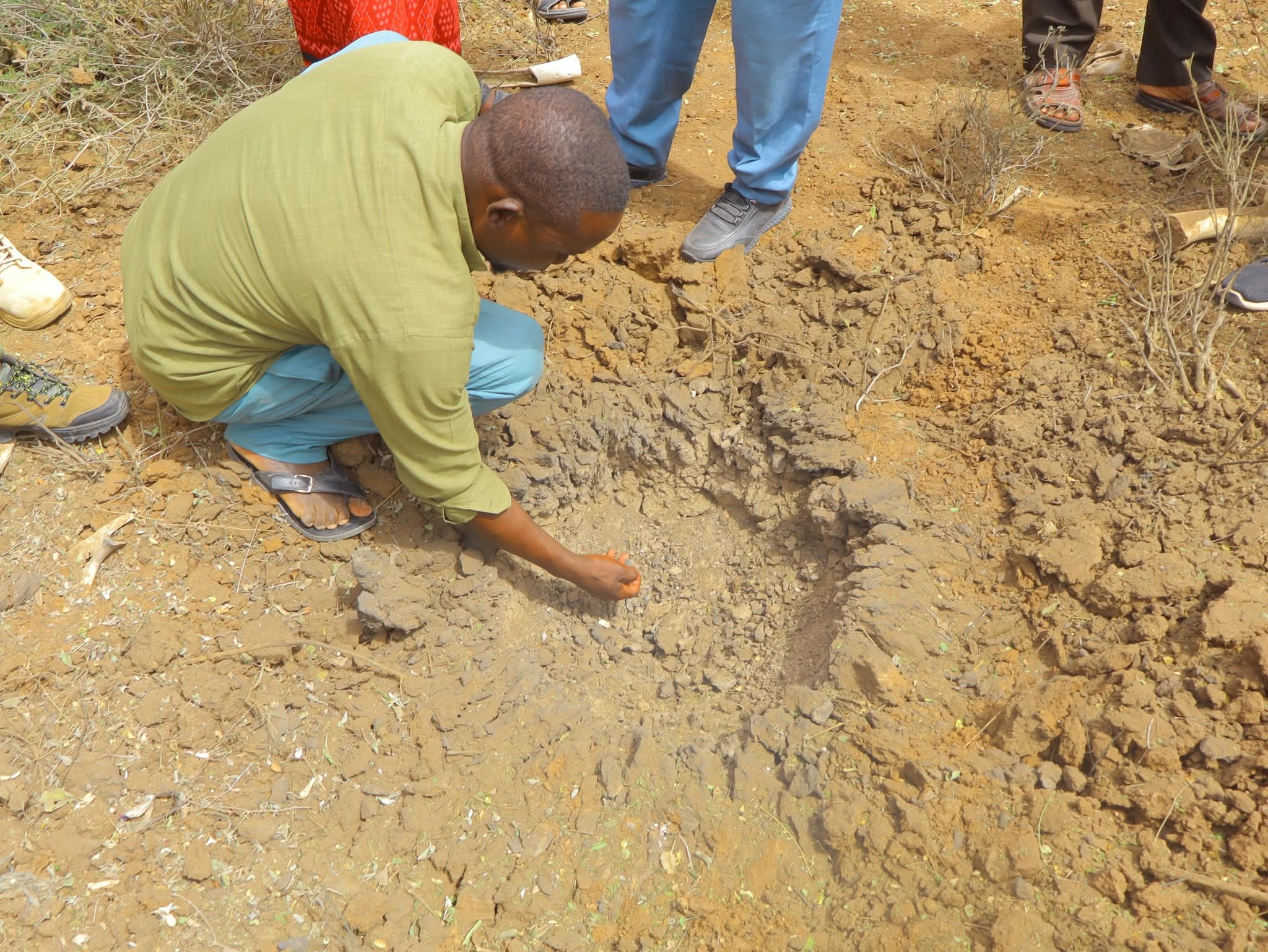
I was born and raised in Burhakaba, a town in southwest Somalia. For more than 30 years, Somalia has been engulfed in conflict, clan violence, armed insurgency, and terrorism. However, the pain does not only come from gunfire. Hidden in our soil are weapons that do not distinguish between soldier and child: landmines. In my region, these explosives have become a silent killer, haunting farms, roads, schools, and playgrounds.
When I was 14 years old, my friends and I were playing football near the city stadium. It was supposed to be just another day. While running around the field, one of us spotted something strange half-buried in the sand. Curious and unaware of the danger, some of my friends picked it up and started throwing it. Within seconds, everything exploded.
Three of my closest friends died instantly. Two others lost their hands. One lost his eyesight. I remember their faces, some I had known since kindergarten. That moment changed my life forever. The sound of the blast still echoes in my memory. The blood, the screams, and the silence afterwards, I carry them with me every single day.
From that day forward, I knew I could not stay silent. I understood the true cost of landmines not just the physical injuries, but the destruction of childhood, safety, and peace. I decided to become an advocate. Not because I had the resources, but because I had the responsibility. I had survived.
In the years that followed, I began working with other young people in Baidoa and other conflict-affected regions. We organized awareness campaigns in displacement camps, schools, and markets. Baidoa alone is home to over 750,000 internally displaced people, families who have lost everything and live in high-risk areas where landmines are buried beneath their feet.
We go to communities and talk directly with people, especially children and youth, about avoiding suspicious objects, reporting threats, and staying away from roads known to be mined. In many areas, even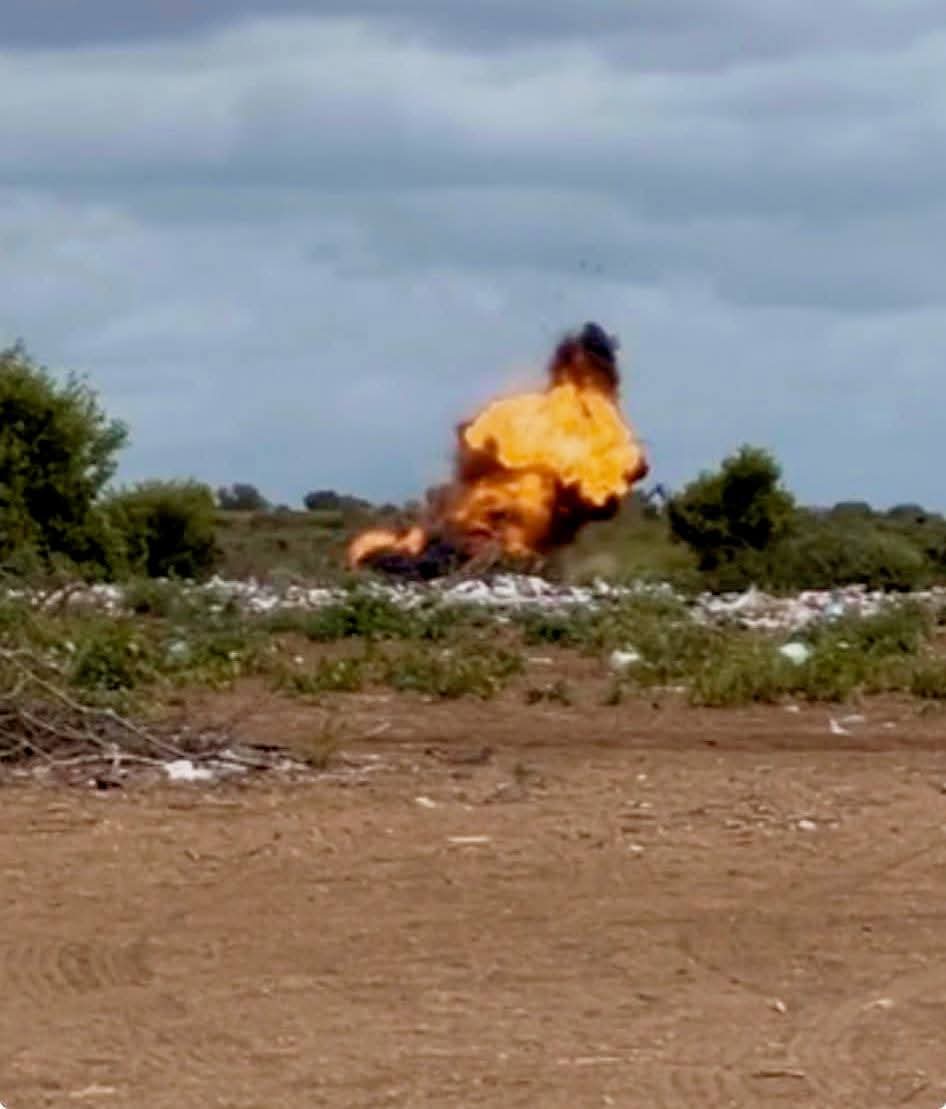 driving a car is too dangerous. The fear of mines is everywhere, and the presence of terror groups like Al-Shabaab and ISIS only adds to the chaos. These groups plant explosives not only to target soldiers or officials but also to terrorize everyday people—bombing buses, markets, schools, and even hospitals. Women and children are often the most affected.
In one school where we held a session, a young boy named Abdi told me his cousin had stepped on a mine while walking home from collecting water. He survived, but he lost his leg. That boy now stays at home, unable to go to school or play. He feels forgotten. That story is not unique. It's one of hundreds I've heard while doing this work. Every story motivates me to keep going, even when the risks are high.
And the risks are very real. Working in this field puts your life in danger. Armed groups view peacebuilders and educators as threats. Some of my colleagues have been killed. For over 10 years, I haven’t been able to return to my home village because the roads are controlled by militants. If I’m caught, I could be killed. Every day, I live with the reality that I could be a target simply because I speak out.
Still, I continue. Because hope is stronger than fear.
My dream is for Somalia to become a safe country, where children can walk freely, where farmers can plough their fields without fear, and where roads are not death traps. I believe change is possible. I believe awareness and advocacy work. But we need support. We need global attention. We need organizations to stand with us.
That is why I reached out to Mines Action Canada. I’ve followed their work for years, how they amplify the voices of survivors, advocate for policy change, and support communities across the world affected by landmines and explosive remnants of war. Their mission matches mine. They may be based in Canada, but their impact is global.
By sharing my story through Mines Action Canada, I hope to reach people who can help us make a difference by supporting awareness campaigns, funding mine clearance, and advocating for survivors like Abdi. We in Somalia are ready to work with international partners. We have the local knowledge and passion; what we lack are the resources.
To anyone reading this from Canada or beyond, I ask you to stand with us. Landmines don’t just belong to the past. they are killing and injuring people today. But together, we can prevent more tragedies. We can choose to care. We can choose to act.
I will keep fighting for a future free from landmines. I hope you will join me.
- Mohamed Hassan Osman, youth advocate and humanitarian worker from Somalia committed to mine action awareness and peacebuilding in conflict-affected communities.
Do you like this page?