
Noor's Story from Kurdistan-Iraq
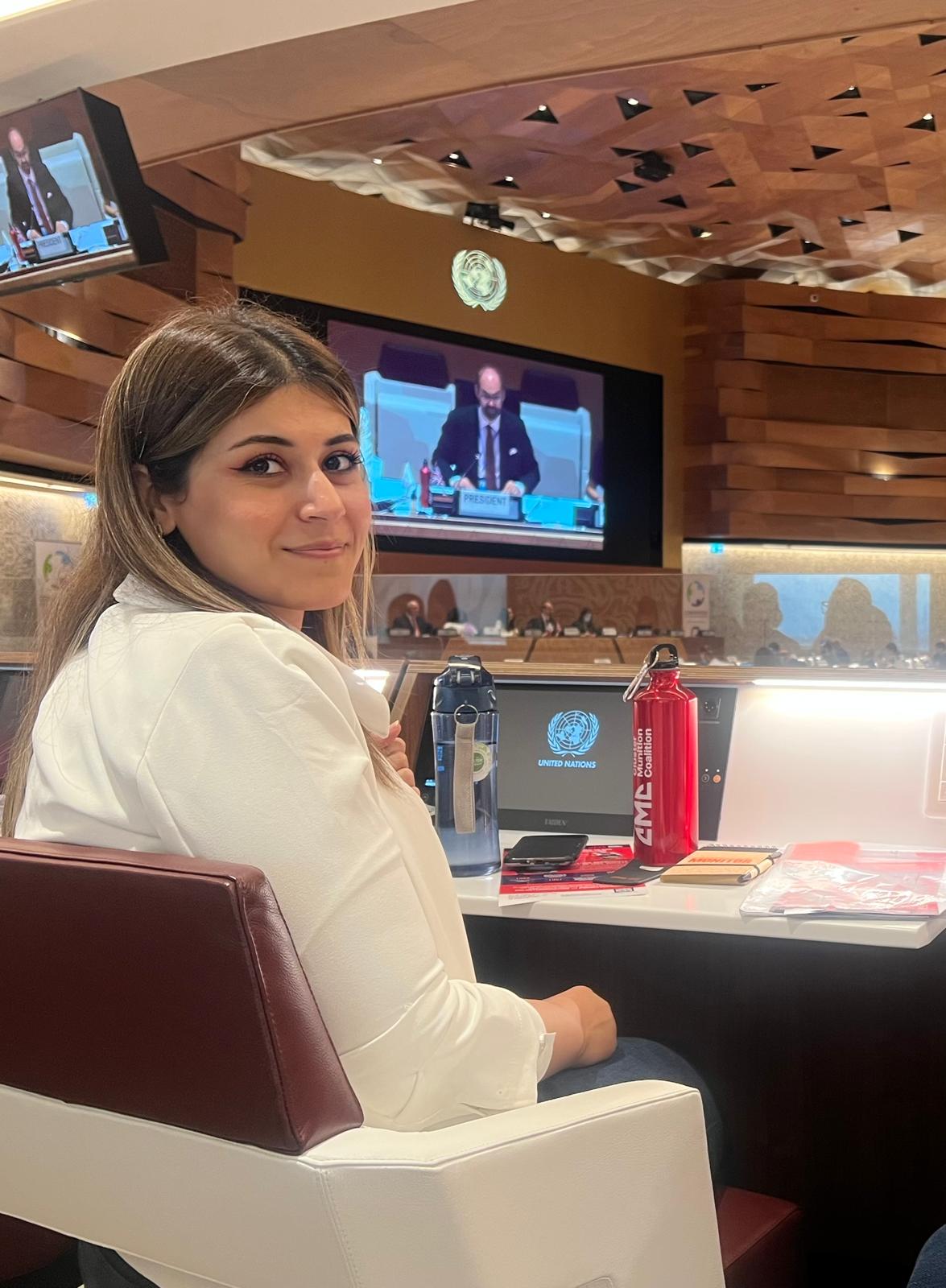
When I hear the word "war," I am instantly taken back to when I was nine years old, standing on the rooftop of my great-uncle’s house, watching columns of smoke rising in the distance. I didn’t understand what was happening—I was too young to grasp what war really meant—but I could see fear in the eyes of the adults around me. My mother, my brother, and I had fled from Duhok to the town of Diana, 182 kilometers away, trying to escape death. We didn’t know if we would survive the next day or lose our lives at any moment. Many of our relatives were gathered in one house, all sleeping in a single room, sharing the same fate—either we live or die together.
Years passed, but war never truly left us. In 2014, I was a university student in Akre. After finishing mid-year exams, my friends and I wanted to have a little fun before heading home. Suddenly, my mother appeared at my dormitory. Her eyes were filled with panic. She took me in a taxi back to our village house in Bardarash. A few days later, I woke up on a hot morning to an unfamiliar noise—crowds of people. I opened the door and found our neighborhood filled with families. I didn’t understand what was going on until I heard the sound of shelling again. Fear rushed over me—I knew death was close once more.
Our neighborhood was flooded with displaced families from Bashiqa, fleeing ISIS. We welcomed two families into our home and gave them what little food and water we had, while also preparing ourselves to flee again if the shelling got closer.
That war took the life of one of my relatives—he was killed by an improvised explosive device.
Despite everything I went through, I refused to be just a witness to pain. I was a young woman in my early twenties—spoiled, yes, but confident. I grew up in a loving home, yet war gave me early awareness. I realized that those who survive danger have a duty to protect others from it.
So, I chose to be part of the solution. I began my humanitarian journey with the Mines Advisory Group (MAG), working in mine risk education. My job took me deep into communities devastated by war—areas left behind, littered with silent killers: landmines, IEDs, unexploded ordnance, cluster bombs, and hidden booby traps lying beneath the soil, waiting for their next victim.
Every day, I stood in front of affected communities, delivering awareness sessions to villagers who had returned after the fighting, unaware that the land they walked on could still kill. I saw trenches, tunnels, rusty weapons, and suspicious objects that hadn’t moved—as if the war had just ended yesterday.
Yes, I was afraid. But my fear was never greater than my desire to be a voice for life in places filled with silence. I wanted to protect a child—just like I once was. I wanted to be a small drop that could start a wave of change.
Being a woman in mine action was never easy—but it shaped me. It made me stronger, more resilient, and more determined to make a real difference. This challenging path taught me that change doesn’t always start with big steps. Sometimes, it starts with a single voice, an honest word, or a simple idea that believes in life.
I believed that my mission was to protect innocent people from the silent killer beneath their feet—from landmines that do not distinguish between a child and a farmer, a dream and a reality. And from that moment, I decided to be that voice, that idea, that could save a life.
Our villages were once filled with life, children’s laughter, and the sound of leaves dancing with the wind. But for 47 years, silence took over. Hundreds of villages were abandoned—not because of drought or poverty, but because of armed conflict between Turkish forces and the PKK. These areas became battlefields, and the land that once held hope became laced with fear and mines.
Today, for the first time in decades, there is a glimpse of hope. A ceasefire has been declared, and there’s talk of disarmament and joining the political process. This has brought new life to forgotten villages. People are returning with old house keys and faded childhood memories. But the land is still dangerous. The remnants of war remain. Life hangs by a thin thread of hope… and fear.
We are at a rare moment—a historic opportunity to bring life back to these villages, to bring children back to school, and farmers back to their fields. But we can’t do it alone.
At this critical time, we need real partnership from the international community. We need more than words—we need action. This is where Mine Action Canada comes in. This organization has always been a voice for those affected by the remnants of war, a sincere advocate for their right to safety.
I’ve followed their work for years, and I’ve been moved by how they support communities, uplift survivors’ voices, and direct resources to where they are needed most. Their mission crosses borders, and their impact reaches even the places the world has forgotten.
So today, I turn to you—the international community, humanitarian organizations, governments, and institutions. We need your support: to clear the land of mines, raise awareness, rebuild safe infrastructure, and give returning families a real chance to start over.
Iraq is not asking for pity. Iraq is asking for partnership. We ask you to stand with us, to believe—as we do—that peace is not only built through agreements, but through action: by removing danger and planting hope.
This is not just a story about Iraq. It’s a human story—of survival, of hope, and of the peace that can rise after years of pain.
Help us make this moment the beginning of something new.
Iraq is ready… are you ready to stand with us?
- Noor, Alumni from Mines Action Canada's global youth program, the Mine Action Fellows
Do you like this page?